Dangerous Tree Assessment and Removal for Trees With Root Problems
A tree can look healthy right up to the day it fails. That is what makes root-related defects so difficult for property owners and, frankly, so dangerous. The canopy may still leaf out. The bark may still look sound from the driveway. Yet below grade, where no one casually looks, the anchoring system can be compromised by decay, severed roots, poor drainage, grade changes, trenching, compaction, or a long history of stress.
When I walk a site to evaluate a tree with suspected root trouble, the most important thing I tell people is simple: foliage does not tell the whole story. Trees can maintain a decent crown for years while the root plate weakens. By the time obvious symptoms show up overhead, the structural issue below ground may already be advanced. That is why Dangerous Tree Assessment and Removal is not just a matter of looking for dead branches. It starts with understanding how a tree stands up in the first place.
Roots do two jobs at once. They absorb water and nutrients, and they provide mechanical stability. If either function is compromised, the tree begins to change. Sometimes those changes are subtle, such as slower growth, undersized leaves, or premature fall color. Sometimes they are dramatic, such as heaving soil at the base, fresh cracks in the ground, or a trunk that suddenly develops a lean after heavy rain. In a storm-prone area, or on a property with structures, driveways, play areas, or utility lines nearby, a root-defective tree is never just a tree problem. It is a risk management issue.
Why root problems are so easy to miss
Most people think of tree health in terms of what they can see from eye level upward. That makes sense. Broken limbs, sparse foliage, and dieback are visible. Root failures are different. A tree can lose a major buttress root on one side from construction damage and continue looking acceptable for several seasons. During that time, the remaining roots take on more load than they were meant to carry. Add one wet winter, one wind event, or one hot summer followed by drought stress, and the margin of safety narrows fast.
Root problems also develop for many different reasons, and they do not all present the same way. I have seen mature oaks decline because a homeowner raised the soil grade around the trunk by only a few inches. I have seen ornamental pears destabilized when trenching for irrigation cut through key anchoring roots. In another case, a line of conifers near a retaining wall failed after years of saturated soil softened the root zone and encouraged decay fungi. The trees were green right up until the first major windstorm.
Compaction is one of the quieter causes. On commercial sites and busy residential yards, repeated foot traffic, parked vehicles, and equipment can compress soil enough to starve roots of oxygen. The tree does not always die outright. Instead, root growth slows, feeder roots disappear, and decline progresses gradually. The owner may call for Tree Pruning & Crown Shaping because the top looks ragged, when the real issue is happening twelve inches underground.
The warning signs that deserve immediate attention
Not every root issue requires removal, but some signs should move a tree from “watch it” to “inspect it now.” Timing matters. A tree that poses low risk in the back of a large property may become high risk if it overhangs a bedroom, driveway, or sidewalk.
Here are some of the most important red flags:
- soil lifting or cracking near the base of the tree, especially after wind or rain
- mushrooms or fungal conks at the root flare or buttress roots
- a new or increasing lean, particularly if it developed recently
- trunk cracks, bark separation, or cavities near ground level
- thinning canopy combined with deadwood and poor annual growth
Any one of those signs is enough to justify a closer look. A combination of two or three often points to a serious structural concern. Fungal growth at the base is especially important because it may indicate root or butt decay, and once decay advances in load-bearing wood, appearance becomes a poor predictor of stability.
One case that stays with me involved a large maple beside a garage. The owner called because one side of the canopy was sparse. From twenty feet away, it looked like a routine pruning and health care job. Up close, there was a seam crack low on the trunk, and the lawn near the base had a subtle ridge where the soil had lifted. When we probed the root flare and checked around the buttress roots, the extent of decay was clear. The tree had likely been declining for years, but the visible warning signs had only recently lined up. That job moved straight past routine maintenance into Emergency Tree Services because the garage and parked vehicles were in the target zone.
What a proper assessment actually involves
A sound inspection is more than a quick opinion from the curb. Root-related failures require context. Species matters. Soil type matters. Weather history matters. So do site changes, irrigation habits, drainage patterns, nearby excavation, and whether the tree stands alone or was once protected by neighboring trees that have since been removed.
A thorough Certified Arborist Consultation usually includes these core elements:
- site history, including trenching, grading, paving, irrigation changes, and storm exposure
- visual inspection of the crown, trunk, root flare, and surrounding soil for stress and movement
- sounding, probing, and root collar examination where decay or buried flare is suspected
- evaluation of targets such as homes, cars, patios, pedestrian paths, and utility corridors
- discussion of feasible management options, from monitoring to Tree Removal Services
Sometimes the answer is straightforward. A recently uprooted tree with lifted soil and active root plate movement near a house is an obvious removal candidate. More often, the judgment is nuanced. A codominant tree with root stress and a modest lean in an open field does not carry the same urgency as the same tree hanging over a nursery, fence, and service line.
It is also important to separate health from structural stability. A tree can be biologically stressed yet structurally manageable. Another tree can be fairly vigorous but mechanically unsound. That distinction affects recommendations. Supplemental support such as Tree Cable and Bracing may reduce canopy load or branch failure risk in selected cases, but it does not fix a compromised root system. If the anchorage is failing, no cable in the upper crown solves that fundamental problem.
Root defects that commonly lead to removal
The phrase “root problems” covers a lot of ground, and not all defects carry equal risk. Surface roots lifting a walkway are frustrating, but they are not automatically evidence that the tree is likely to fail. On the other hand, decay in buttress roots, root severance from excavation, or chronic saturation that weakens the root plate are much more serious.
Decay at the root flare is one of the most concerning findings because that area transfers load between trunk and roots. Once significant wood loss develops there, the tree’s resistance to overturning drops. Trees with large basal cavities or decayed buttress roots often fail at ground level in wind events, and they can do so with very little warning.
Girdling roots deserve mention too. On younger and middle-aged trees, encircling roots can compress the trunk flare and disrupt vascular flow. The result may be slow decline, poor crown development, and reduced stability over time. In some cases, corrective work is worthwhile if caught early enough. In older trees with advanced defects, the opportunity for meaningful correction may have passed.
Construction damage is another major source of root failure. Many owners assume that if only a few roots were cut, the tree should recover. The problem is not just the number of roots. It is which roots, how close to the trunk they were severed, and whether the damaged side now carries less anchoring force. Root loss on one side often combines with changes in soil moisture and compaction to create a delayed hazard. I have inspected trees that looked “fine” for three or four years after a driveway expansion, then began leaning or shedding major limbs as the imbalance caught up with them.
When pruning helps, and when it does not
Pruning has value, but it is often misunderstood in root-compromised trees. Selective reduction can lessen end weight, remove deadwood, and improve wind passage through the canopy. Thoughtful Tree Pruning & Crown Shaping may be part of a risk reduction plan for a tree with manageable defects and acceptable targets. It can buy time or lower likelihood of branch failure.
What pruning dangerous tree mitigation and removal cannot do is restore lost anchorage. If a tree is unstable at the base, reducing the crown may slightly reduce loading, but it does not rebuild decayed wood or replace severed roots. In some cases, over-pruning actually makes things worse by stressing an already weakened tree. That is why pruning should follow a diagnosis, not substitute for one.
The same caution applies to cable systems. Tree Cable and Bracing can be excellent tools for certain crown structure defects, particularly included bark unions or overextended limbs on trees with otherwise sound support below. They are not root repair devices. If the root plate has shifted or the buttress roots are rotting, support hardware higher up only changes part of the load picture. It does not eliminate the failure mode.
The threshold between monitoring and removal
Removal is rarely the first option an experienced arborist wants to recommend. Mature trees add shade, value, privacy, and character. They take decades to replace. But there are situations where preserving the tree no longer makes sense, either biologically, structurally, or financially.
The decision usually comes down to a combination of defect severity, target value, and available mitigation. A tree with moderate root decay in a remote corner of a large property might be monitored, mulched, and reassessed after storms. That same tree beside a home entrance, school path, or power service drop is a different conversation. Risk is not only about the tree. It is about what the tree can hit.
There are also practical limits to intervention. If a tree requires repeated pruning, exclusion zones, irrigation correction, soil treatment, and annual inspection just to remain marginally acceptable, removal may be the more responsible recommendation. Homeowners are sometimes surprised to hear that preserving a compromised tree can cost more over time than taking it down and replanting well. That is especially true when access is difficult and follow-up care is likely.
How removal is planned when roots are compromised
A tree with a bad root system is often less predictable to dismantle than a healthy one. The standard assumption that the trunk will react normally to cuts and rigging loads becomes less reliable when the anchorage is questionable. That changes the work plan.
If there is evidence of active root plate movement, the crew may avoid climbing entirely and use a crane, bucket access, or sectional dismantling from a safer position. Drop zones must account for uncertain stability. In tight residential settings, Tree Removal Services often involve roping and piece-by-piece lowering to protect roofs, fences, gardens, and neighboring structures. The more compromised the base, the more conservative the approach needs to be.
Emergency Tree Services come into play when a tree has partially failed, is resting on another tree, is leaning over a structure, or shows fresh soil heave after a storm. Those jobs are not the time for guesswork. Wind-loaded stems, broken fibers, and damaged roots store energy in unpredictable ways. The safest crews are the ones who slow down, isolate hazards, and work from a plan rather than from urgency alone.
I remember a storm call involving a large spruce that had shifted several inches toward a house. The owner wanted it “taken down fast.” Fast was not the right standard. The right standard was stable setup, controlled picks, and no one in the fall line. By the time the crane finished, the lawn was scarred and the job took longer than the client hoped. The house remained intact, which is the only metric that mattered.
Stump work is not an afterthought
Once the tree is removed, the stump decision matters more than many people expect. If root decay was present, the stump can continue to host fungi and interfere with replanting or landscape work. If the area will become lawn, hardscape, or a planting bed, Stump Removal & Grinding is usually the practical next step.
Grinding is often enough for residential use, but the depth and extent should match the site plan. If a replacement tree is going into the same area, leaving a large mass of old woody roots can create poor planting conditions. In some cases, especially where root disease was significant, it makes sense to offset the new planting location rather than place a young tree directly into the disturbed zone.
There is also the issue of surface roots left after removal. Homeowners sometimes assume that taking down the trunk ends the hazard. Large decaying roots near walkways or foundations can still create trip points, settle unpredictably, or interfere with future grading. A good post-removal discussion should cover what remains below ground and what the site needs next.
Prevention is cheaper than emergency response
Some root problems are unavoidable. Storms happen. Trees age. Soil pathogens exist. But many serious root failures begin with avoidable site stress. The cheapest time to protect a tree is before trenching, paving, or grade changes begin. The second cheapest time is when the earliest signs of stress appear.
If you are planning work near mature trees, involve a professional before the contractor starts cutting. A Certified Arborist Consultation ahead of construction can define root protection zones, acceptable access routes, mulch areas, and irrigation adjustments. That single step often determines whether a tree stays viable for the next twenty years or enters decline immediately.
Fire-prone regions add another layer. Wildfire Mitigation Tree Services sometimes require selective thinning, ladder fuel reduction, and strategic removal near structures. In that process, it is important not to destabilize retained trees by abruptly exposing them to wind or injuring roots with equipment. I have seen well-intentioned fuel reduction leave edge trees more vulnerable because the work changed wind exposure and compacted the soil around the survivors. Good mitigation protects both fire safety and long-term tree stability.
What property owners should do after a warning sign appears
The worst response to a suspected root issue is delay combined with assumptions. People often hope the tree will “bounce back” in spring, or they focus on fertilizing a canopy problem that really reflects a structural issue below. Once a tree shows signs like fresh lean, basal cracking, fungal bodies at the root flare, or heaving soil, the next step should be evaluation, not cosmetic care.
A few practical moves make a real difference. Keep vehicles and heavy equipment away from the root zone. Avoid overwatering or sudden changes in irrigation. Do not pile mulch or soil against the trunk. If the tree threatens a target, limit access beneath it until it is inspected. And if the tree shifted after a storm, treat it as unstable even if it is still standing upright.
Photos can help too. A sequence of images showing lean angle, canopy density, or soil movement over time gives useful context during assessment. So does a simple history from the owner: when the symptom first appeared, what site work happened nearby, whether drainage changed, and how the tree responded in recent summers or storms.
The value of sound judgment
Dangerous Tree Assessment and Removal is not just about identifying defects. It is about making defensible decisions under real conditions, with imperfect information, limited budgets, and property-specific constraints. The right answer is not always preservation, and it is not always immediate removal. It lies in reading the tree, the site, and the consequences of being wrong.
Root problems demand that kind of judgment because they hide until they do not. A healthy-looking crown can mask a failing base. A modest lean can be historic and stable, or it can be the first visible sign of imminent trouble. The difference is rarely obvious to an untrained eye.
That is why the best outcomes usually come from early, experienced evaluation. Sometimes that means preserving a valuable tree with monitoring, targeted Tree Pruning & Crown Shaping, and changes to the root environment. Sometimes it means recognizing that support systems like Tree Cable and Bracing will not solve the real defect. And sometimes it means moving ahead with Tree Removal Services and Stump Removal & Grinding before a storm makes the choice for you.
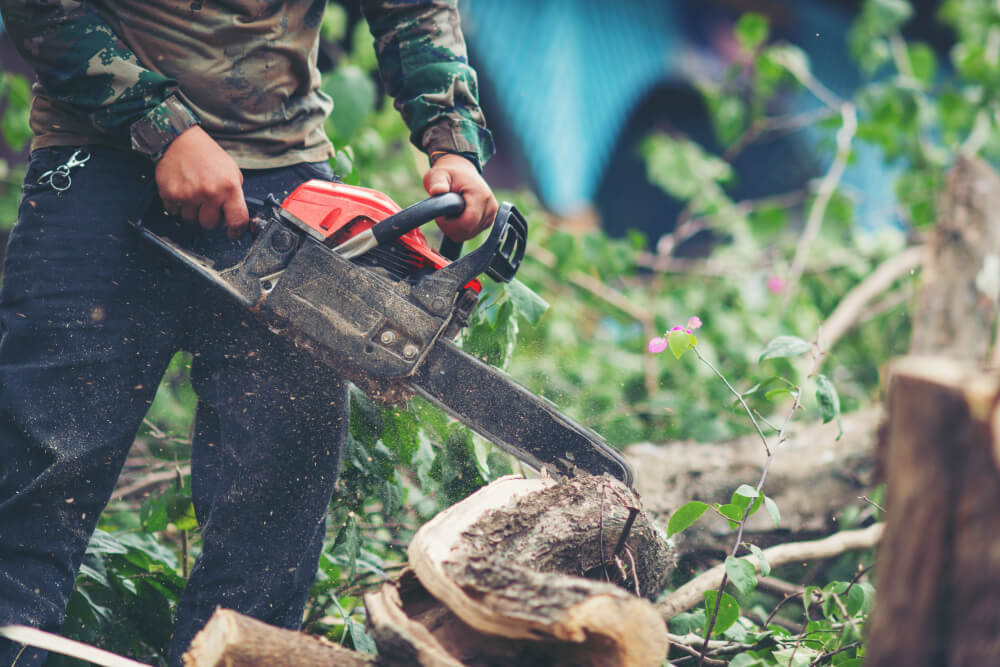
A tree with root problems does not need panic. It needs a careful look, honest risk assessment, and a plan grounded in how trees actually fail. That is the work that protects homes, landscapes, and the people who live around them.
Name: Ace Tree Services Ltd.
Address: 4656 Wallace Hill Rd, Kelowna, BC V1W 4C2, Canada
Phone: 250-212-9593
Website: https://acetree.ca/
Email: [email protected]
Hours:
Sunday: Closed
Monday: 7:00 AM–5:00 PM
Tuesday: 7:00 AM–5:00 PM
Wednesday: 7:00 AM–5:00 PM
Thursday: 7:00 AM–5:00 PM
Friday: 7:00 AM–5:00 PM
Saturday: 7:00 AM–5:00 PM
Time zone: Pacific Time
Open-location code / Plus code: RHF8+8G Kelowna, British Columbia, Canada
Map/listing URL: https://www.google.com/maps/search/?api=1&query=Google&query_place_id=ChIJxRVIBx2LfVMRNRSkp6-IC0U
Embed iframe:
Socials:
https://www.facebook.com/p/Ace-Tree-Services-61585901931447/
Ace Tree Services Ltd. provides professional tree care from its Kelowna location on Wallace Hill Road.
The official website lists tree removal, stump removal and grinding, tree pruning and crown shaping, emergency tree services, certified arborist consultation, dangerous tree assessment and removal, tree cabling and bracing, and wildfire mitigation.
Ace Tree Services serves homeowners, businesses, and property owners in Kelowna and throughout the Okanagan Valley.
The company’s official site highlights ISA Certified Arborist support, local Okanagan experience, and fully insured tree service work.
Customers can contact Ace Tree Services for planned tree maintenance, high-risk removals, storm-related tree concerns, pruning, stump grinding, and arborist consultation needs.
The supplied public listing address is 4656 Wallace Hill Rd, Kelowna, BC V1W 4C2, near rural and residential service areas in southeast Kelowna.
For tree services in Kelowna and the Okanagan, call 250-212-9593, email [email protected], or visit https://acetree.ca/
The public map listing uses plus code RHF8+8G Kelowna, British Columbia, Canada and can help customers find Ace Tree Services Ltd. near Wallace Hill Road.
Popular Questions About Ace Tree Services Ltd.
What does Ace Tree Services Ltd. do?
Ace Tree Services Ltd. provides tree removal, stump removal and grinding, tree pruning and crown shaping, emergency tree service, certified arborist consultation, dangerous tree assessment and removal, tree cabling and bracing, and wildfire mitigation.
Where is Ace Tree Services Ltd. located?
Ace Tree Services Ltd. is listed at 4656 Wallace Hill Rd, Kelowna, BC V1W 4C2, Canada.
What phone number should customers call?
Customers can call Ace Tree Services Ltd. at 250-212-9593.
What is the email address for Ace Tree Services Ltd.?
The supplied email address is [email protected].
What are Ace Tree Services Ltd.’s hours?
The supplied listing hours show Monday through Saturday from 7:00 AM to 5:00 PM, with Sunday closed, Pacific Time. The official website lists 7:00 AM to 5:00 PM, Monday through Friday, so customers should confirm Saturday availability before booking.
Does Ace Tree Services Ltd. provide emergency tree service?
Yes. The official website lists emergency tree services, including emergency tree removal, dangerous tree assessment, emergency stabilization, and limb or branch cleanup.
Does Ace Tree Services Ltd. offer arborist consultations?
Yes. The official services page lists certified arborist consultation as one of the company’s Okanagan tree services.
Does Ace Tree Services Ltd. provide stump grinding?
Yes. The official services page lists stump removal and grinding as a service.
What areas does Ace Tree Services Ltd. serve?
The official website states that Ace Tree Services serves Kelowna and the Okanagan Valley.
How do I contact Ace Tree Services Ltd.?
Call 250-212-9593, email [email protected], visit https://acetree.ca/, or use the listed social profile: Facebook.
Landmarks Near Kelowna, BC
Wallace Hill Road: The road listed for Ace Tree Services Ltd. and a practical reference point for the company’s Kelowna location.
East Kelowna: A nearby rural and residential area where tree maintenance, pruning, removals, and wildfire mitigation can be important for property owners.
Myra-Bellevue Provincial Park: A major outdoor landmark southeast of Kelowna and a useful reference for the surrounding hillside and forested areas.
Gallagher’s Canyon: A nearby Kelowna community with residential properties, mature trees, and landscape maintenance needs.
Kettle Valley: A southeast Kelowna neighborhood with homes, parks, and landscaped properties.
Mission Creek Greenway: A well-known natural corridor in Kelowna and a local reference point for tree-lined recreation areas.
Orchard Park Shopping Centre: A major Kelowna retail landmark and citywide reference point.
Downtown Kelowna: A central business and residential district within Ace Tree Services’ broader Kelowna service area.
Okanagan Lake: A major regional landmark running through Kelowna and the surrounding Okanagan Valley.
Mission Creek Regional Park: A recognizable Kelowna park and natural landmark with extensive trees and trails.
Rutland: A large Kelowna community with residential and commercial properties that may need tree service support.
Glenmore: A Kelowna neighborhood with homes, parks, and established trees.
Lower Mission: A residential and lake-adjacent Kelowna area where pruning, tree health, and property safety can matter for homeowners.
Kelowna International Airport: A major transportation landmark north of central Kelowna.
West Kelowna: A nearby Okanagan community across the lake and a practical regional service reference.
For tree removal, stump grinding, pruning, crown shaping, emergency tree service, arborist consultation, dangerous tree assessment, cabling and bracing, or wildfire mitigation near these Kelowna and Okanagan landmarks, contact Ace Tree Services Ltd. at 250-212-9593, email [email protected], or visit https://acetree.ca/